Your EV Charging Solution Specialists
Main Line Charging is a Licensed and Insured Electrical Contractor based in the heart of the Philadelphia Main Line, servicing Delaware, Montgomery, and Chester Counties.
Expert EV charger installation for homes & businesses in Pennsylvania. Level 2 chargers, Tesla installation, ChargePoint Installation, Emporia Installation, commercial solutions. Free consultation. Call today: (610) 772-7960
Services We Offer
Catering to Your Charging Needs: Our Comprehensive EV Charging Solutions
Installation of Electric Vehicle Charging Stations
- Single family homes
- Multi-family homes (apartments and condos)
- Commercial locations
- Supermarkets
- Restaurants
- Parking lots
- Office campus
- Country clubs and more
Upgrades and Repair
- Residential and commercial Electrical Service and Electrical Panels

Installation
- New Residential Construction
- Residential Additions
- Tamper Resistant Outlets, GFCI outlets
- Ceiling Fan Installation
- Landscape Lighting, Recessed Lighting
- Commercial Installation and Repairs
- Dedicated Circuits

Electrical Safety Inspections
Request a EV Installation
About EV Chargers
Most drivers will recharge their vehicles at home each evening, so before you invest in a Battery Electrical Vehicle (BEV), there are a few things you should know, and understand about charging and the different types of chargers.
Owners should be aware that there is a charging cycle. Therefore it usually takes longer to recharge the last 5-10% of the battery than the first 90%. This is due to the charger reducing the power flow to a trickle charge so as to not overcharge or damage the battery.
Also owners should be aware that many Electric Vehicles are currently limited in how much power they can draw from a charging station, this extends the time it takes to get a full charge. Many manufacturers such as GM recognize this choke point and are currently building their vehicles to be able to accept higher levels of power from different levels of chargers.
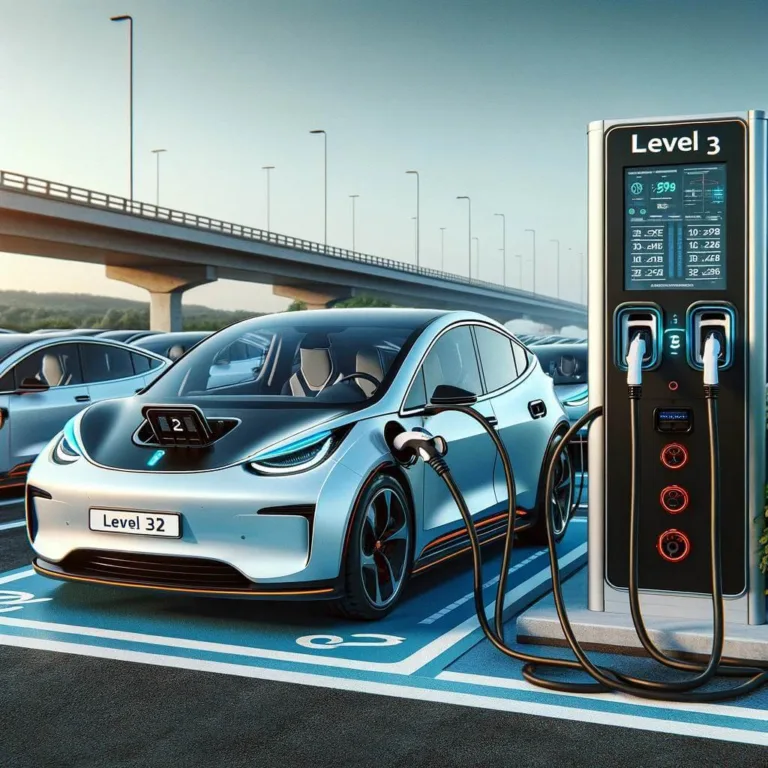
Here are the key differences between Level 1, Level 2 and Level 3 (also known a DC Fast Charging).
Level 1 chargers come standard with most electric vehicles and are generally sold with the vehicle. This charger can be plugged into any normal three-prong outlet. On the plus side Level 1 chargers require no additional electrical installation, and are great for emergency backup when traveling, however it charges the vehicle batteries extremely slowly.
A level 1 charger is best suited for overnight use or short range travel (30 to 40 mile per day). However if the battery is fully depleted it can take up to 24 hours or more to fully charge. Charging rates are around 3.5 – 6.5 miles of driving range per hour of charging time.
Level 1 charging can also ideal for plug-in hybrid electric cars that have smaller batteries
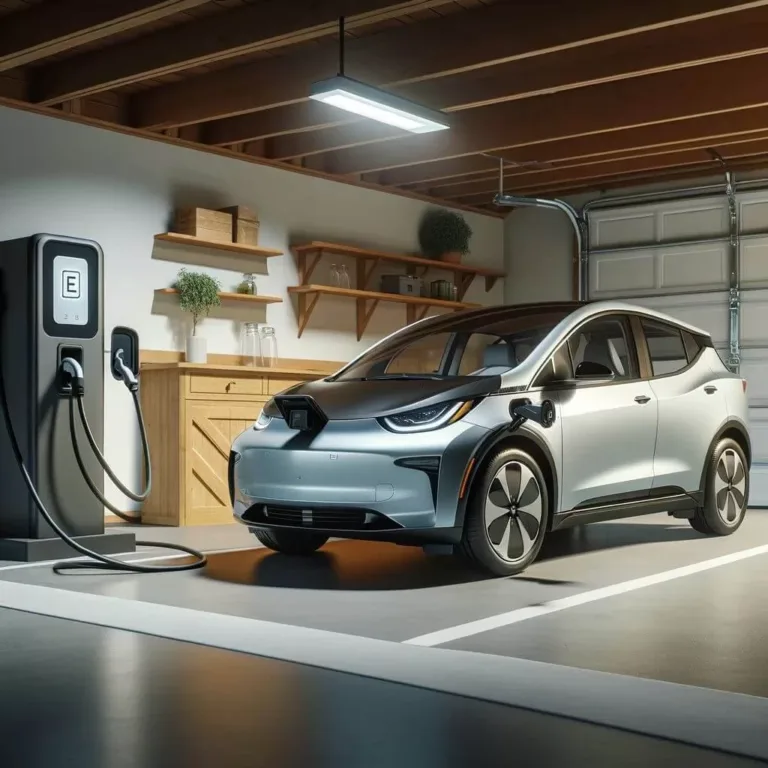
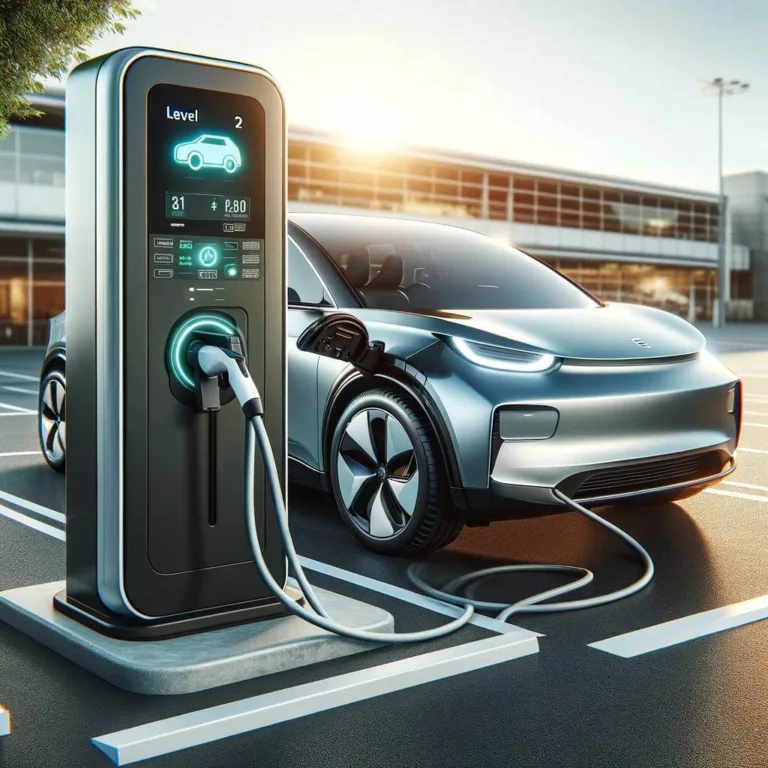
Level 2 charging is considerably faster than Level 1, but requires the installation of a charging station, also known as electric vehicle supply equipment (EVSE).
A charging station installation requires a dedicated 240-volt or 208-volt electrical circuit, similar to what is required for a clothes dryer or electric range.
Level 2 chargers are typically found at public and workplace charging stations, and they are becoming increasingly common in residential homes.
These chargers use the same standard connector as Level 1 chargers, meaning any electric car can plug in at any Level 2 charger; however, the amount of kWs the vehicle will draw from the charging station will depend on the vehicle manufacturer's design. As a general rule, older EV models will tend to draw lower amounts of power than newer models.
Depending on the battery type, charger configuration and circuit capacity, the fastest Level 2 charging unit (at 19.2kW rating) can add about 60-70 miles of range per hour of charge time, with the average Level 2 (at 9.6kW rating) generating 20-30 miles of range per hour of charging time.
These are standalone devices seen mostly at highway rest stops and public charging stations in shopping centers.. It can fully recharge many EV’s batteries in about 30 minutes. Depending on battery type, charger configuration and circuit capacity, DC fast charging can add up to 10-15 miles of range per minute of charging time.
DC fast charging provides the fastest available recharge. They require a 480-volt connection, and as such DC fast charging is unsuitable for home use. Many older EV’s are not equipped to handle the higher power available. However, newer models are all designed for these faster charging platforms.
There are 3 different types of DC fast chargers
- CHAdeMO;
Combined - Charging System (Combo or CCS); or,
- Tesla connector system.
Level 3 chargers range from the more common 50kW chargers up to the currently very rare 350kW chargers.
Request a EV Installation
EV Charging Cost Considerations
There are several options to recharge an EV.
Home charging is the most convenient and typically the most affordable way to keep your EV topped off. The cost depends on your local electricity rate and the size of your charger.
Most homeowners install a Level 2 charger, which uses roughly the same amount of power as an electric dryer. At an average residential electricity rate, a full charge typically costs a few dollars, and many utilities offer discounted overnight rates for EV owners that can lower this even further.
Many utility companies also offer rebates for installing a home charger or enrolling in a time-of-use charging program, so it's worth checking with your provider before you install.
Many employers provide charging facilities as a benefit for their employees to utilize while they are at work. If you would like us to contact your employer to determine if they would be interested in hosting a station, please click here to send us an email.
Many people charge their electric car at public charging stations. They can be free, pay-as-you-go or subscription-based, with prices set by networks or property owners. Some automakers, such as Hyundai, Nissan and Tesla may provide complimentary charging at certain public chargers. It should be noted that the industry is moving toward a fee structure based on kWh used, rather than by the time it takes to charge the car.
Drivers in Pennsylvania may expect to pay around 30 cents per kWh to charge on Public Level 2, and 40 cents per kWh for Public Level 3 (DC fast charging). At these rates, an EV with 330-mile range and 80-kWh battery would cost about $24.00 to fully charge (from empty to full) using Level 2, and $32.00 with DC fast charging.
Several apps and online tools will help you locate public charging, including PlugShare’s and Google Maps database.
Incentives and Tax Credits for your EV and EV Charger
If you are in the market for a new vehicle this may be the right time to consider purchasing your first electric vehicle. Rebates amounts maybe available to Pennsylvania residents as well some tax incentives offered by federal government to help make the switch to fully electric or gas-saving hybrid cars. The rebates and tax breaks may also apply to the purchase of an EV charger and for the EV charger installation. You could also be given another financial break by your utility company if you recharge your car at night.
Property owners that install public commercial charging stations may be eligible for rebates. Electric car charging can attract more traffic to your business, improve tenant or employee satisfaction and retention, and generate a new revenue stream.
Additional Resources for information and rebates
Below are links to the IRS, EPA and Dept of Energy websites
Additional Reading
Testimonials
FAQ's
How long will it take to install an EV Charger?
Installation usually takes less than a day to complete. We would need to look at your specific project to determine installation time.
How much will it cost to install an EV Charger at my house?
Installation cost vary based on factors such as
- Difficulty of installation
- Distance EV Charger is from Main or Sub Panels
- Does house require a service and panel upgrade
However, simple installations start at about $600 + EV Charger
Do I need to upgrade my Electrical Service and Panel
Each house is different, and we would need to evaluate whether that is needed in your case. We only recommend upgrades when necessary. We frequently utilize technology to minimize the need for upgrades.
How fast will my car charge with a Level 2 charger?
Charging speed depends on both the charger and your vehicle’s onboard charger capacity. A 48A Level 2 charger (11.52 kW) can add approximately 35–40 miles of range per hour. A 60 kWh battery charges from empty in roughly 5–6 hours; a larger 100 kWh battery takes around 9–10 hours. Keep in mind that your car’s onboard charger may limit the maximum draw — many vehicles are rated at 7.2 kW or 9.6 kW regardless of charger output. Charging also slows as the battery nears 100%. Contact us for a recommendation based on your specific vehicle.
Do I require a permit to install an EV Charger?
In most cases an electrical permit is required. Main Line Charging handles all permitting requirements with the relevant townships, and coordinates the final electrical inspections as required.
The EV charger can be used prior to inspection. The final inspection closes out the permit with the township.